
Why industrial decarbonisation needs hydrogen, not just electrification
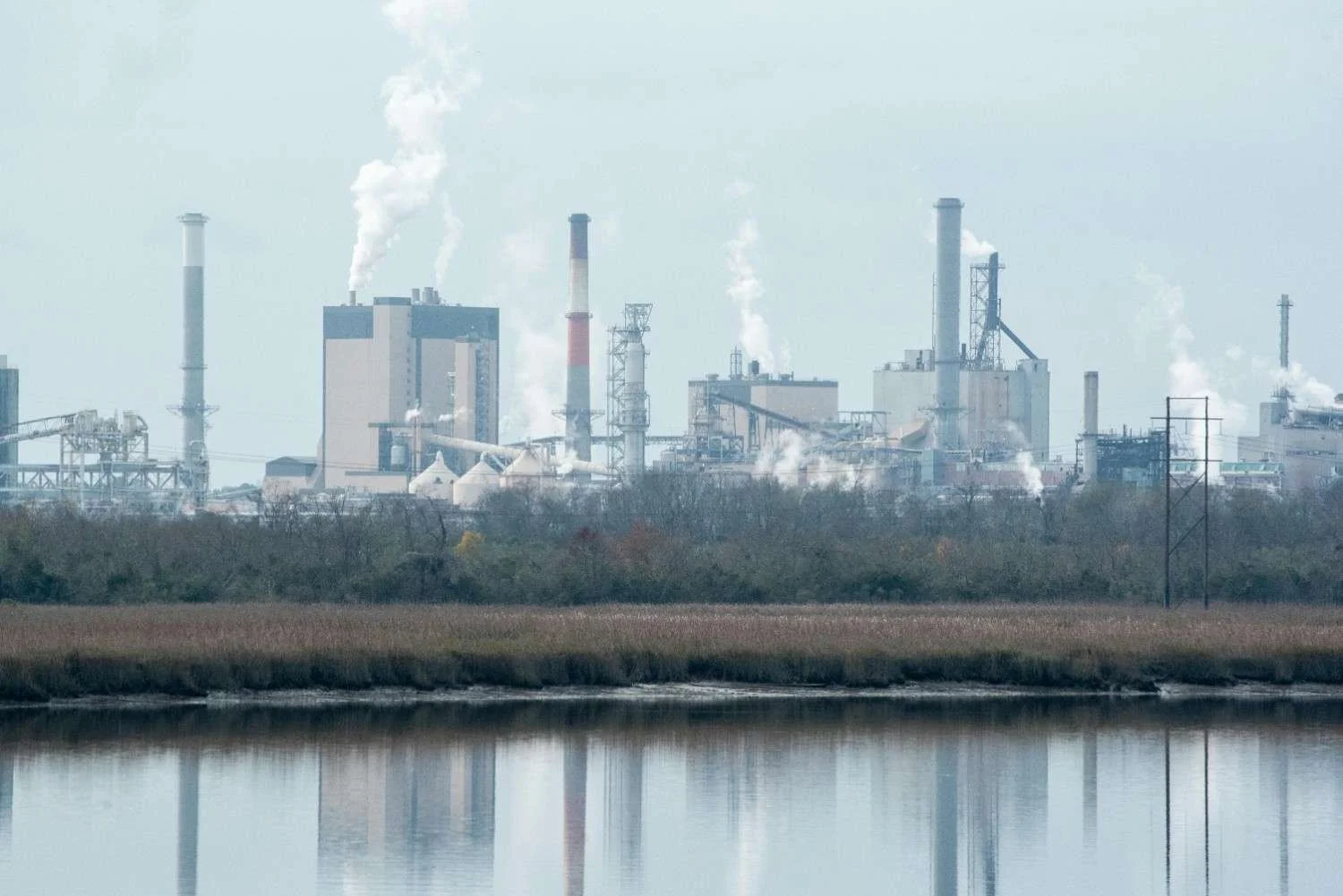
Decarbonising industry is one of the most complex challenges in the transition to a low-emissions economy. Heavy vehicles, boilers, refineries, off-grid operations and high-temperature processes all demand reliable, high-density energy that is difficult to electrify in practice. For many industrial operators, electrification is an important step, but it is not the complete solution.
Hydrogen fills the gaps electrification cannot reach. It works as a fuel, as a feedstock and as a flexible energy carrier that supports continuous duty operations. In sectors where electrification faces technical, economic or operational barriers, hydrogen provides a practical pathway that supports daily operations rather than disrupts them.
This article sets out why industrial decarbonisation will rely on both electrification and hydrogen, not one or the other, and why on-site hydrogen production is becoming a critical tool for APAC industries moving towards net zero.
The limits of electrification in industry
Electrification is an effective decarbonisation tool for many applications. Motors, lighting, HVAC, mobile equipment and some temperature-controlled environments already rely on electricity as their primary energy source. Battery technology continues to improve, and grid infrastructure will expand over time.
However, several industrial realities restrict electrification’s reach.
1. High-temperature heat is difficult to electrify
Industrial heat above 400°C is challenging to deliver using electricity alone, especially at scale. Sectors such as:
food and beverage processing
chemical manufacturing
pulp and paper
metals and minerals
brick, cement and ceramics
all require heat that is either too intense or too continuous for electrified systems to deliver cost-effectively.
Electric boilers can support some applications, but they often require large grid upgrades and continuous power draw. Hydrogen combustion and hydrogen-ready burners provide a more flexible path to decarbonisation for many heat users.
2. Heavy mobility has fundamental energy density requirements
Battery systems perform well for passenger vehicles, warehouse forklifts and shorter-range routes. But long-distance logistics, heavy trucks, mining equipment and off-grid machinery have duty cycles that batteries struggle to meet.
Hydrogen offers:
higher energy density
fast refuelling
support for long duty cycles
suitability for remote environments.
For operators who cannot afford multi-hour charging windows or the weight penalty of large battery packs, hydrogen becomes a necessary complement.
3. Continuous or variable operations create electrical constraints
Many industrial sites rely on:
ageing grid connections
capped import capacity
strict demand charges
intermittent renewable supply.
Trying to electrify every energy use in this environment can create new operational risks. Hydrogen can serve as a buffer, allowing sites to store energy and convert it into fuel when needed.
4. Some applications will never be fully electrified
Refining, ammonia production and various chemical processes rely on hydrogen as a feedstock, so decarbonisation often hinges on cleaner hydrogen supply rather than electrification alone.
Hydrogen is not only a fuel but a material input. These sectors continue to need hydrogen, and replacing fossil-derived hydrogen with clean hydrogen delivers immediate emissions benefits.
Why hydrogen fills the industrial gaps
Hydrogen complements electrification by providing:
1. Flexible, dispatchable energy
Hydrogen can be stored and used as required. It supports operations that run overnight, across shift changes or through variable renewable generation.
2. High-temperature capability
Combusting hydrogen allows operators to reach temperatures that electrification alone cannot always deliver.
3. Mobility fit for heavy haulage and long distances
In transport applications where weight, downtime and range matter, hydrogen often meets operational needs better than batteries.
4. A decarbonised feedstock for existing processes
Industries that already use hydrogen can shift to green hydrogen without redesigning core processes.
5. Decarbonisation without major infrastructure upgrades
Electrifying everything often requires extensive grid reinforcement. Hydrogen allows companies to decarbonise without waiting for multi-year infrastructure approvals.
Why on-site hydrogen production changes the equation
Hydrogen is traditionally produced centrally, then transported to where it is used. This model brings significant challenges:
transport cost
storage requirements
safety regulations
limited regional supply
dependence on third-party scheduling.
APAC markets face even greater transport constraints due to geography and infrastructure variability.
On-site hydrogen production bypasses these issues. It allows organisations to:
generate hydrogen where it is consumed
avoid transport risk and cost
scale production based on real needs
pair hydrogen generation with renewable power
reduce exposure to supply chain uncertainty
On-site generation becomes especially valuable in remote or industrial locations where transport of any energy source is costly or unreliable.
The role of PEM electrolysers in industrial decarbonisation
Modern PEM electrolysers are well suited to industrial sites because they:
respond quickly to variable power
operate efficiently at partial load
integrate well with solar, wind or microgrids
are compact and modular
produce high-purity hydrogen for engines, fuel cells and industrial processes.
Their ramping capability makes them ideal for capturing low-cost clean power when available.
This flexibility helps industrial operators manage total energy cost while lowering emissions.
Hydrogen in APAC: why industry is turning to practical, modular solutions
Many APAC nations face a similar industrial challenge:
high emissions intensity
ageing infrastructure
large geography
dependence on diesel in remote areas
limited short-term grid capacity.
Hydrogen provides a pathway that does not require waiting for large grid upgrades. Heavy vehicles, islanded microgrids, refineries, mines, processors and logistics networks across APAC are already trialling hydrogen solutions because they are practical today.
Modular, deployable hydrogen systems allow organisations to test, validate and then scale without committing to megawatt-scale infrastructure upfront.
Industrial decarbonisation FAQs
1. Why can’t industry rely only on electrification?
Some applications require high temperatures, long duty cycles or continuous operation that electricity cannot serve cost-effectively.
2. What makes hydrogen suitable for industrial heat?
Hydrogen combustion can reach high temperatures that electrical systems often cannot achieve without large infrastructure upgrades.
3. Why is electrifying heavy vehicles difficult?
Battery systems add weight, take time to charge and may not meet the range or uptime needs of heavy vehicles and remote operations.
4. Is hydrogen only a fuel?
No. It is also a material feedstock in refineries, chemical processing and fertiliser production.
5. How does hydrogen support operational resilience?
It acts as stored energy, allowing organisations to run during outages or low renewable generation.
6. Why does on-site hydrogen matter?
It removes transport cost and scheduling constraints while providing reliable access to fuel.
7. Is PEM the best type of electrolyser for industry?
PEM electrolyser technology works well with variable power and delivers high-purity hydrogen, making it suitable for many industrial applications.
8. Does hydrogen reduce emissions immediately?
Yes, when produced using renewable electricity or low-emission power sources.
9. Can hydrogen systems scale over time?
Modular electrolysers allow organisations to start small and expand as demand grows.
10. Do hydrogen solutions require large infrastructure upgrades?
Not always. On-site production can fit within existing electrical limits, especially when operated flexibly.
11. Is hydrogen safe to use on industrial sites?
With proper engineering, sensors and standards, hydrogen systems operate safely in a wide range of environments.
12. Is hydrogen cost effective?
When considering avoided diesel costs, reduced transport, improved resilience and ESG value, hydrogen can be commercially compelling.
Looking ahead
Electrification remains a critical tool in decarbonisation, but it is not the complete solution for industry. Hydrogen plays a complementary role that supports applications that batteries and electrified systems cannot serve effectively.
On-site hydrogen production provides a stable, predictable and scalable pathway for APAC industries looking to meet emissions targets while keeping operations running smoothly.
Hydrogen integration is not a leap. It is a stepwise, practical move that many organisations can begin now.
Endua works with industrial operators to design and manufacture on-site hydrogen systems that support reliable, low-emission operations while reducing long-term energy cost and exposure to supply chain uncertainty.