
News, insights & hydrogen market analysis
Stay current with the latest policy shifts, project developments, and strategic analysis in the sustainable energy sector.
Explore our deep dives into the future of decentralised power and sustainable hydrogen. From technical breakthroughs to high-level market trends, this hub provides the clarity and expertise you need to navigate the evolving industrial energy landscape.
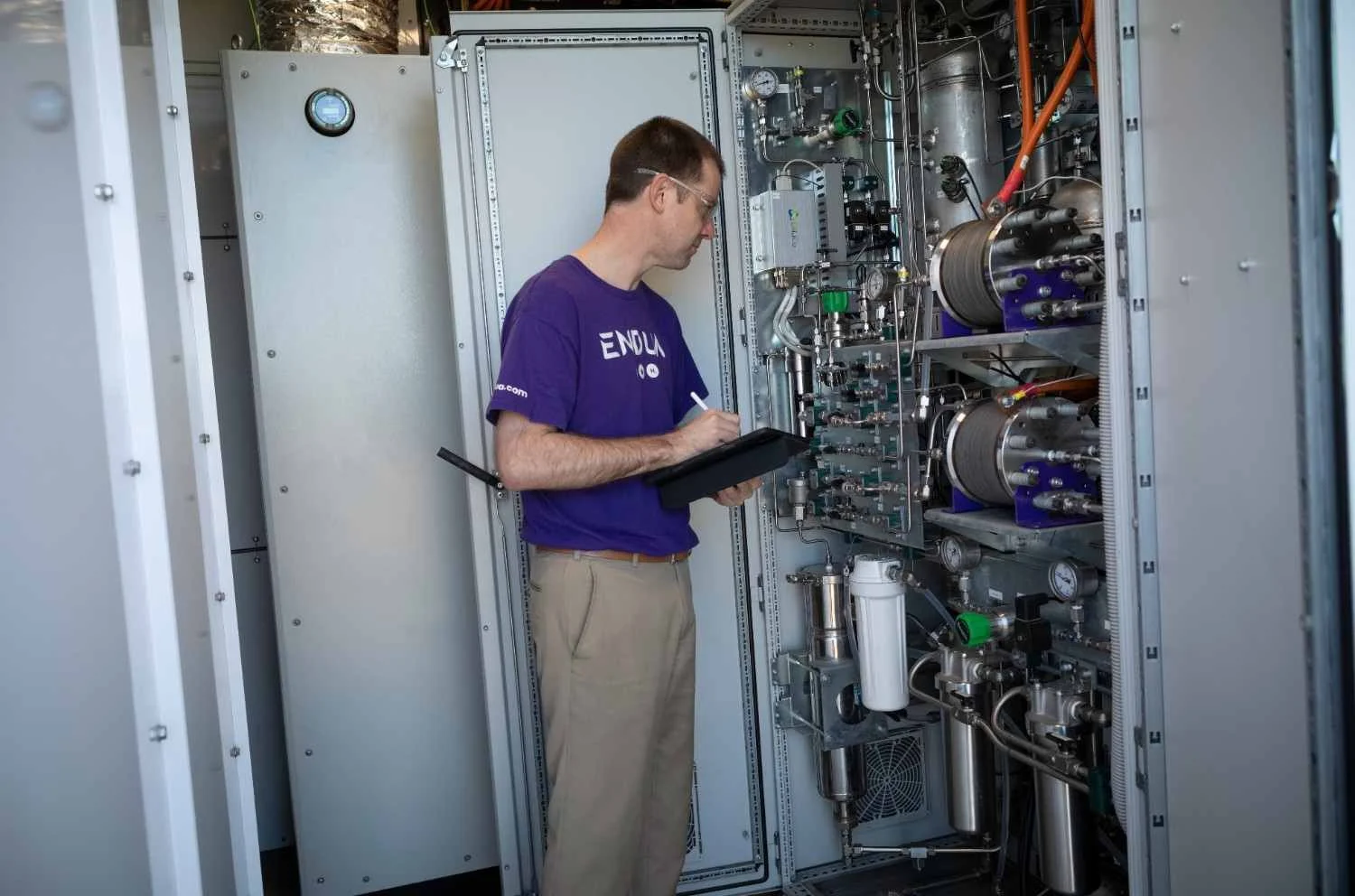
How to choose PEM electrolysers in India for 2026
Learn technical and commercial criteria for selecting PEM electrolysers in India, including evaluating deployment timelines, efficiency and compliance requirements.
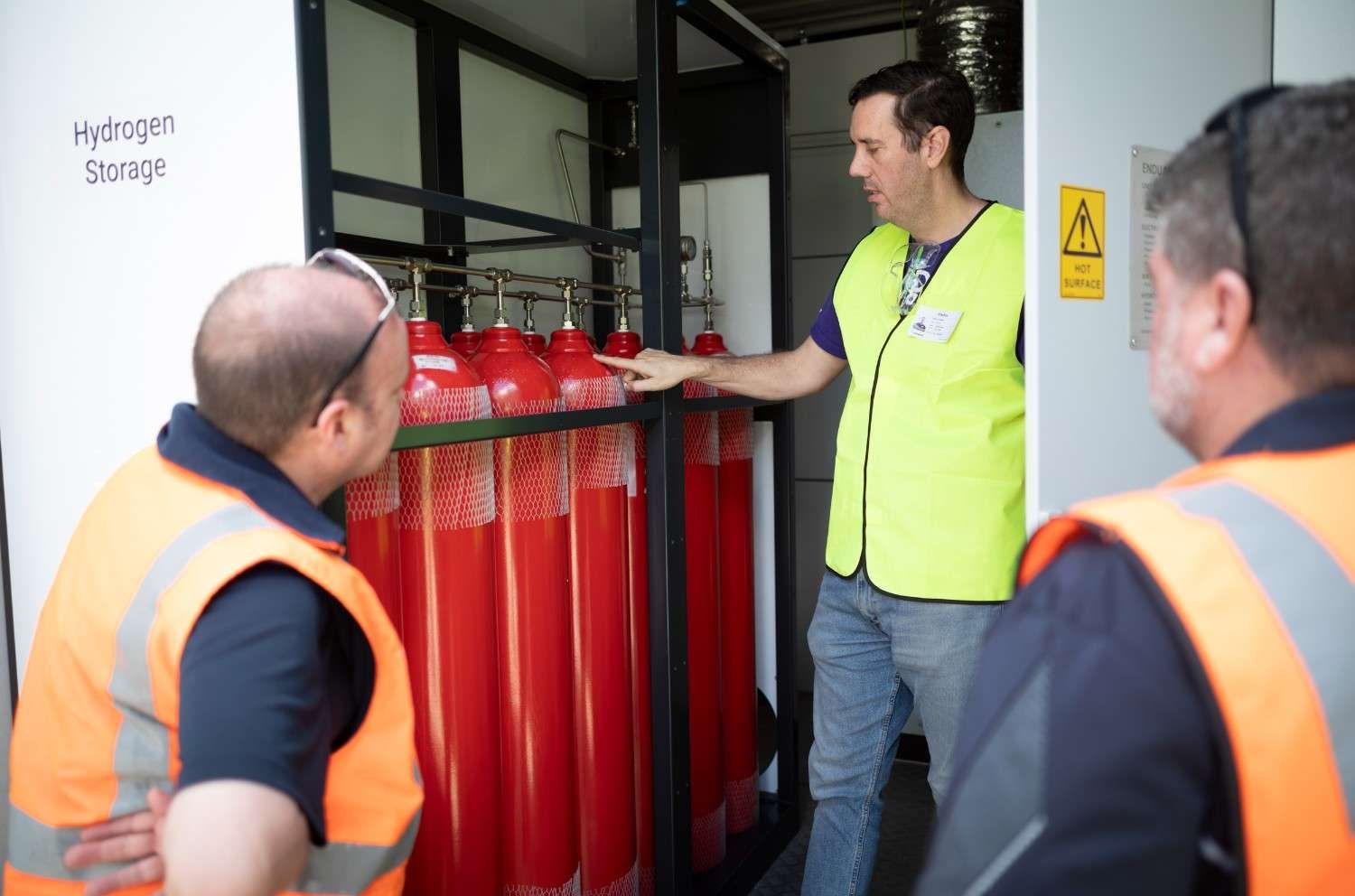
Why hydrogen purity matters for your application
While many organisations are focused on securing hydrogen supply and managing costs, hydrogen purity is an equally important consideration. Here’s why.
Making the business case for on-site hydrogen investment: Beyond simple cost per kilogram
There’s a better way to evaluate investment in hydrogen projects than cost per kilogram. Learn how to build a business case that reflects real-world conditions.

On-site hydrogen generation: Why it changes the economics
Hydrogen is a viable clean energy solution for industry, but how can you make the numbers work? Discover how producing hydrogen on site removes the biggest constraints.
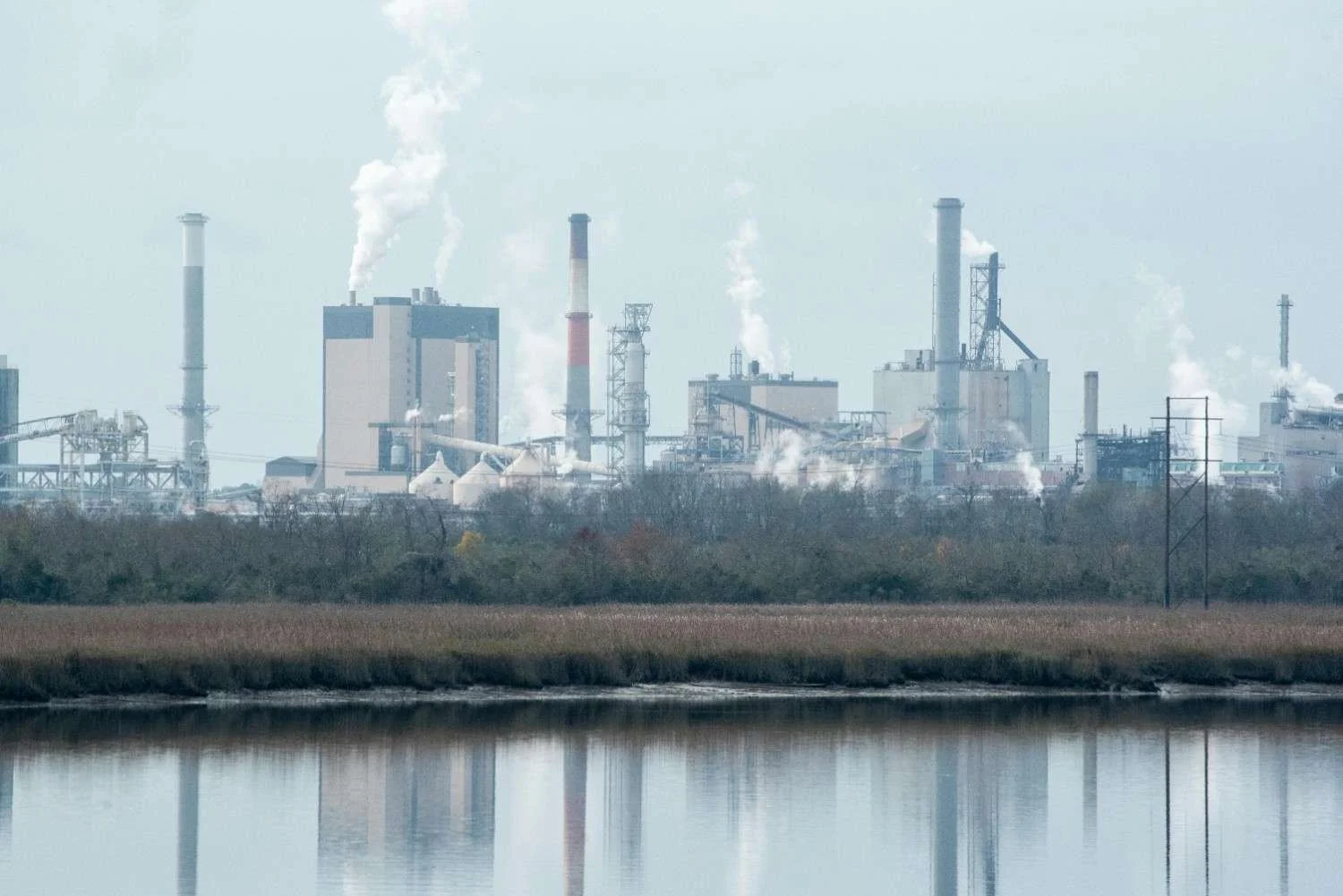
Why industrial decarbonisation needs hydrogen, not just electrification
Decarbonising industry is a complex challenge in the transition to a low-emissions economy. For many industrial operators, electrification is an important step, but it is not the complete solution.
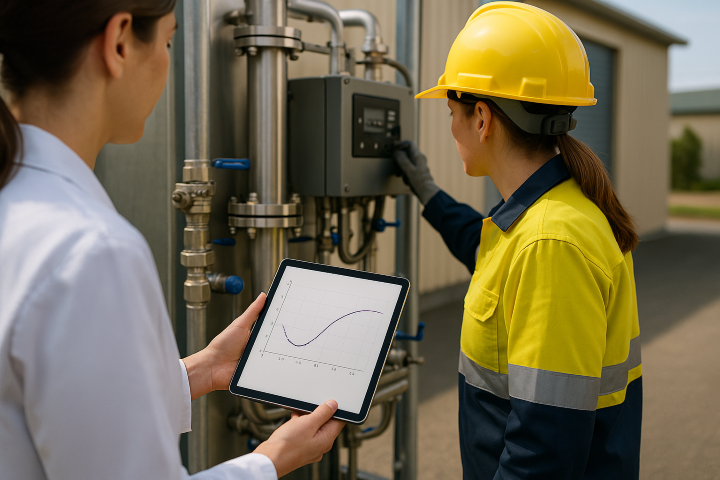
Lab vs commercial EIS (part 2): A practical comparison
EIS looks fundamentally different at lab versus commercial scale. So, what exactly changes at each level, and what does that mean for your operations?
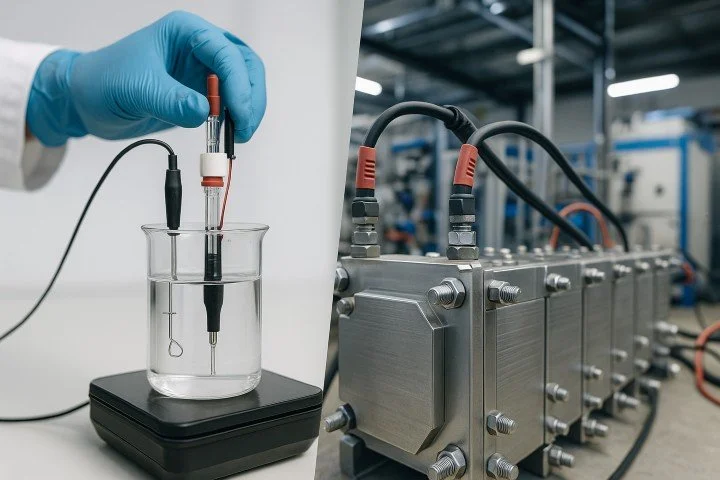
Lab vs commercial EIS (part 1): Why scale changes everything
When evaluating EIS data, understanding the differences between lab and commercial scale results is essential for making informed decisions about stack health.
How hydrogen fuel cells work: Clean power explained
Learn how hydrogen fuel cells generate clean, reliable power. Understand the process, benefits and real-world applications driving the rise of hydrogen energy.
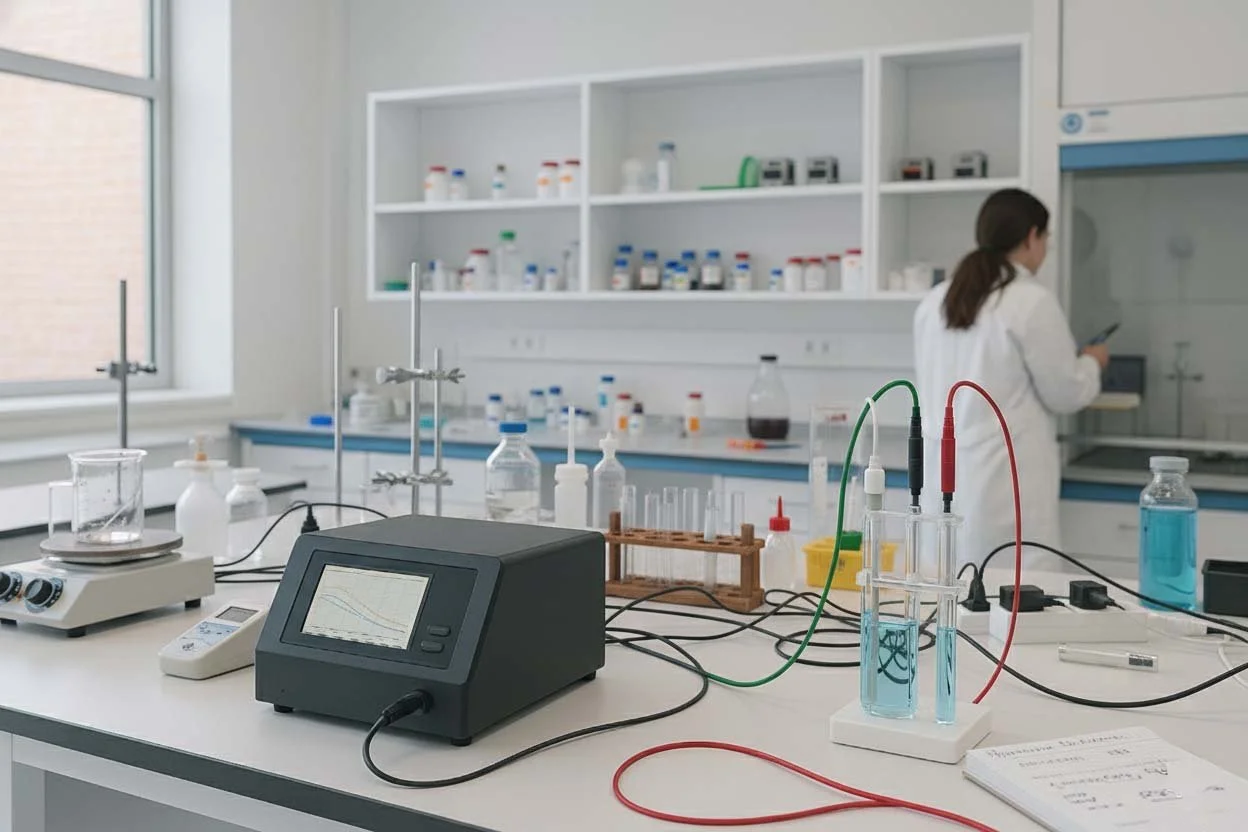
Electrochemical Impedance Spectroscopy (EIS): What is it and who is it for?
Electrochemical Impedance Spectroscopy (EIS) has a reputation for being difficult to master, however it remains one of the most powerful diagnostic tools available for electrolyser development and optimisation.

Leveraging AI and machine learning to build confidence in electrolyser performance
How can electrolyser manufacturers provide customers with genuine confidence in 20y cost projections when next-generation technologies are constantly evolving? This article explores how artificial intelligence applied to electrochemical impedance spectroscopy (EIS) data bridges the critical gap between cutting-edge innovation and operational certainty.

Lessons deploying hydrogen solutions from the PepsiCo Greenhouse Accelerator Program
Endua’s participation in the PepsiCo Greenhouse Accelerator has enabled us to validate our technology in enterprise operations and pilot a new hydrogen project.
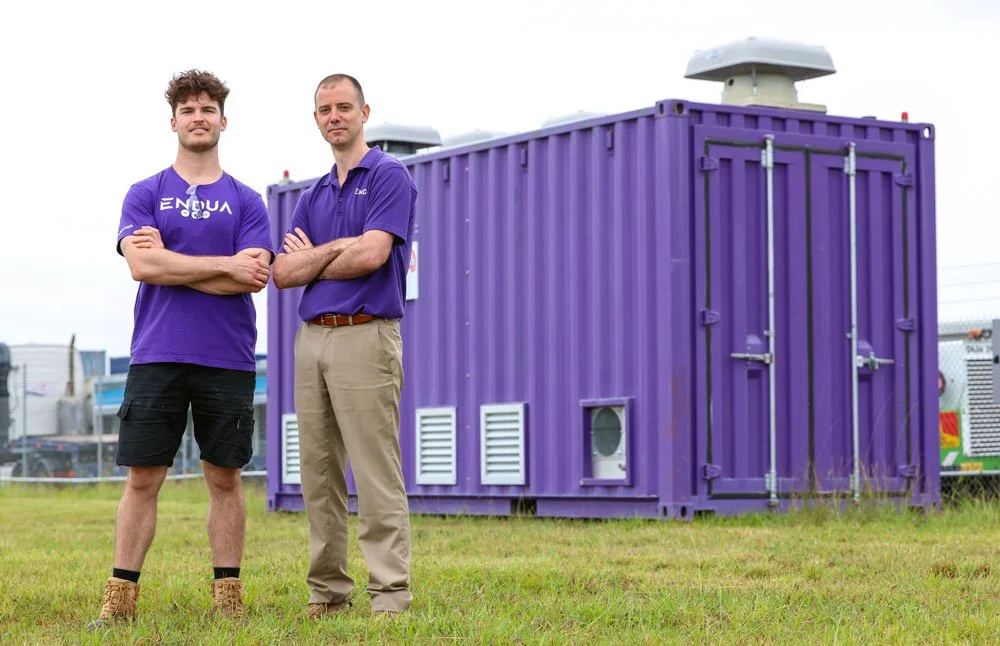
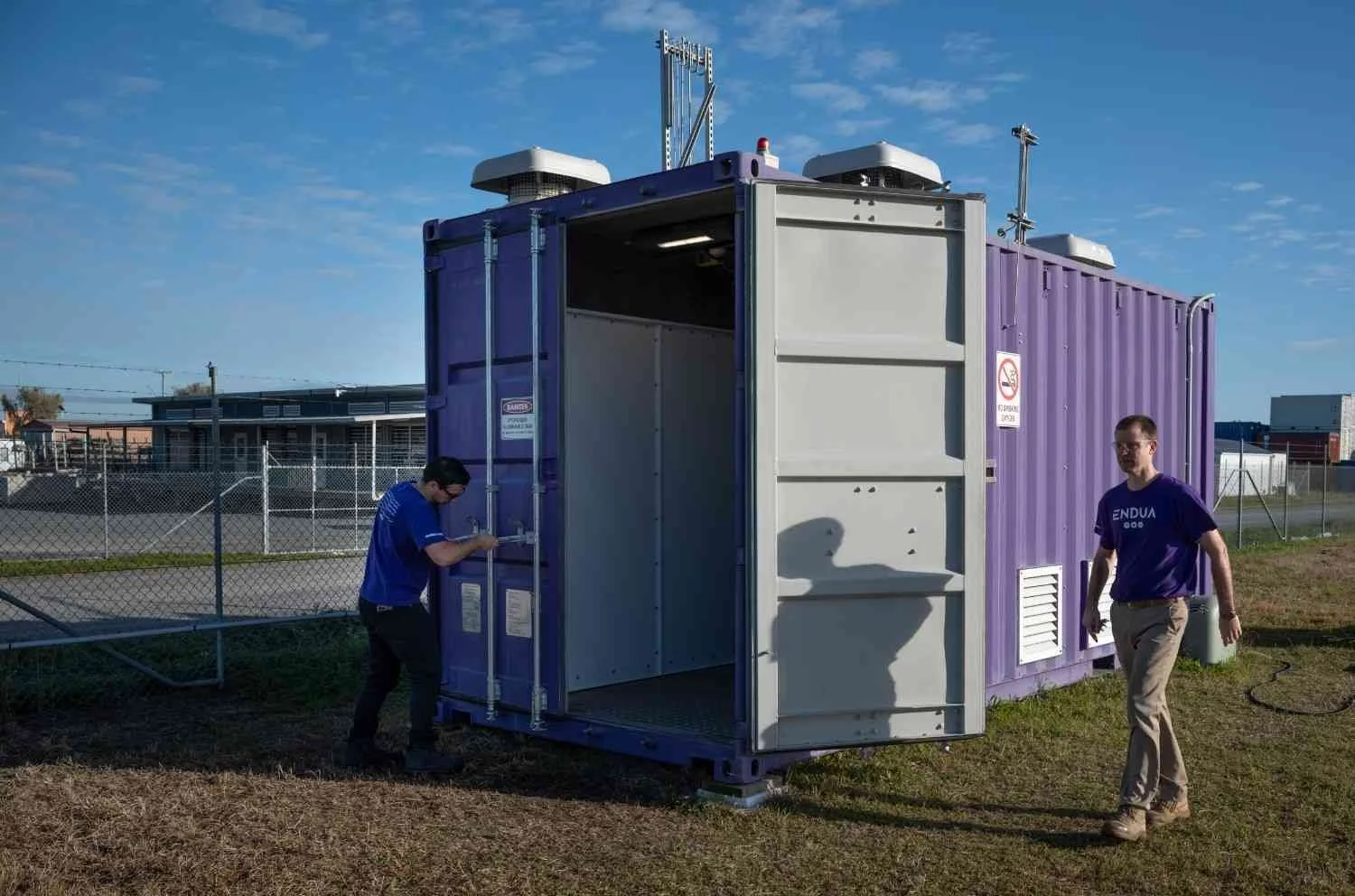
Hydrogen in action – Endua's power bank deployment at Archerfield Airport
Endua’s power bank deployment at Archerfield Airport demonstrates how businesses can produce clean energy anywhere and overcome logistical challenges.

Is hydrogen safe? How to support safety & compliance across applications
Hydrogen has been safely produced, stored, and transported around the world for decades. Like other fuels, standards support safety and compliance.

What is hydrogen used for today?
Hydrogen is gaining widespread attention across industries and around the world – and for good reason. It has a range of versatile applications, zero-emission potential, and purposes throughout the value chain; from fuelling vehicles, to industrial manufacturing, and providing clean energy.
Make or buy hydrogen, which is best for your business?
As more industries look towards sustainable, cost-effective energy solutions, hydrogen has emerged as an ideal solution. But organisational leaders may be wondering, where exactly do you get it from?

PEM vs alkaline vs AEM: Why electrolyser technology choice matters
The right electrolyser technology can impact the efficiency, purity and practicality of your hydrogen production, especially when working with renewables.

How hydrogen is powering the future of sustainable aviation
Technology will play a major role in decarbonising the aviation industry, and hydrogen is set to be a significant part of that future. Here’s how.

The different colours of hydrogen & strategic sustainability leadership
More organisations are utilising hydrogen to reduce emissions and achieve sustainability targets. But how do production and sourcing impact these goals?

What are Scope 1, 2, 3 emissions and why do they matter?
For company leaders focused on decarbonisation, reporting progress may be a key priority to meet changing regulatory requirements, including Scope 1, 2 and 3 emissions.

Carbon footprint reduction in construction: Diesel gensets vs. hydrogen
As construction companies face growing challenges to decarbonise, emerging energy technology, including hydrogen solutions, present promising pathways to reduce reliance on diesel and the carbon footprint of operations.