Deploy hydrogen in months, not years
Pre-built, modular PEM electrolysers for fast, compliant installations
Hydrogen projects are often slowed by long procurement cycles, complex EPC processes and global supply bottlenecks.
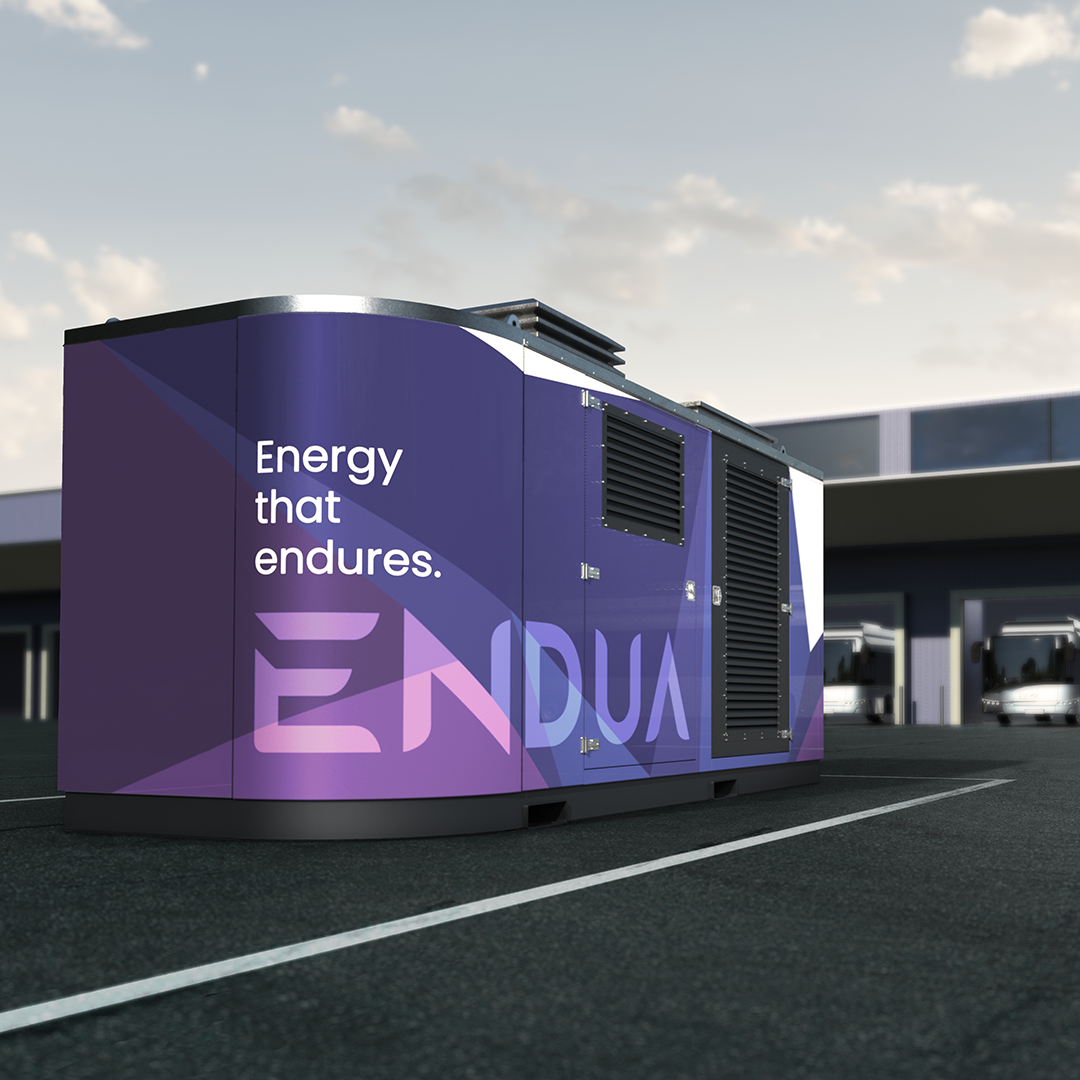
Endua’s modular PEM electrolysers are pre-engineered and built in Australia, allowing projects to move from planning to production much faster and with less risk.
Why deployment speed matters
Rapid deployment means earlier project validation, reduced holding costs and faster return on investment.
Endua delivers this advantage through three core principles:

Local manufacturing
Built in Australia to avoid overseas shipping delays.

Pre-engineered design
Start smaller, expand without redesigning your system.

Scalable modules
Simplified approvals and standardised documentation.
Together, these factors cut project delivery timelines from years to months.
Endua’s electrolyser systems accelerate hydrogen project timelines

Speed to production
Typical EPC projects take 18–36 months. Endua’s pre-built containerised solution removes in field assembly, de-risks skills gaps and enables hydrogen production within days of delivery
Reduced complexity

Endua’s pre-approved, standardised designs streamline the engineering, design and permitting stages for your project
Improve project economics

Endua’s stackable electrolyser solution lets you right size your project for your current hydrogen needs, while providing optionality to expand your system when needed
Local support

Our team of expert engineers are ready to support your project to ensure smooth commissioning and operation
How does Endua’s rapid deployment system compare with traditional methods
Our modular deployment technology reduces time-to-production by two-thirds, delivering clean hydrogen faster and more efficiently than traditional approaches.
Project timeline comparison: Denham hydrogen project vs the Endua solution
Planning & Finance
6 months
Comprehensive project scoping, feasibility studies, and securing capital investment
Site assessment and permitting
Engineering design and studies
Financial modeling and investment decision
Stakeholder alignment and contracts
Civil Construction
18 months
Extensive ground-up construction of solar infrastructure and electrolyser facilities
Equipment procurement and installation
Civil works and foundations
Electrolyser building construction
Utility connections and infrastructure
Commissioning
11 months
First-time integration, testing, and compatibility validation of different system components.
System integration and debugging
Performance testing and tuning
Safety certification and compliance
Operational Readiness
3 months
Final preparations for commercial operation and establishing operational procedures.
Operational handover procedures
Maintenance protocols established
Staff training and documentation
Streamlined Planning
5.5 months
Accelerated project initiation with standardized designs and simpler financing approvals.
Simplified site preparation requirements
Pre-engineered system specifications
Streamlined permitting process
Fast-track financial approvals
Rapid Modular Installation
6 months
Factory-built, pre-tested modules delivered and installed with minimal civil works required.
Plug-and-play modular components
Minimal foundation requirements
Pre-integrated electrical systems
Rapid positioning and connection
Quick Operational Readiness
1 month
Minimal commissioning required due to factory testing and standardized operation.
Pre-commissioned at factory
Simplified on-site validation
Standardized training programs
Remote monitoring capabilities
Early Production Start
Active after 12 months
Begin generating revenue and producing hydrogen 27 months earlier than traditional projects.
Full scale production much faster
Quicker ROI generation
Scalable expansion capacity
Predictable performance metrics
Why Endua’s modular approach wins
Factory manufacturing
Components built and tested in controlled factory environments ensure consistent quality and eliminate on-site construction delays.

Modular scalability
Start producing hydrogen quickly with initial modules, then expand capacity incrementally as demand grows without system downtime.

Reduced risk
Standardized designs and factory testing eliminate construction uncertainties, cost overruns, and technical commissioning challenges.

Pre-integrated systems
Electrical, electrolyser, and control systems arrive fully integrated and tested, eliminating months of on-site commissioning work.

Earlier revenue
Begin generating returns on investment 27 months sooner, dramatically improving project economics and payback periods.

Deploy anywhere
Containerized design enables deployment in remote locations or sites with limited infrastructure, expanding market opportunities.

Discuss how Endua can accelerate your project
FAQs
-
Most projects move from order to operation in four to eight months, depending on site readiness. Traditional EPC-led builds often take one to two years.
-
Delays usually come from complex approvals, custom engineering and offshore supply chains. Endua eliminates these through pre-engineered systems and local production.
-
Each Endua electrolyser module is built to a standard, pre-approved design that already meets compliance requirements. This removes months of design and validation work.
-
Modules are manufactured and tested in parallel to the project, then installed on site as ready-to-run units. This parallel process cuts months off traditional build schedules.
-
Yes. Endua’s PEM electrolyser connects easily with solar, wind or grid power, and can expand over time as energy generation scales.
-
Endua’s Australian-based team can be engaged to support design verification, compliance documentation and commissioning. Local maintenance and monitoring services are available post-installation.
-
Endua’s electrolyser solution reduces project time across multiple stages. Existing supply chain relationships reduce procurement, standardised system design removes complex bespoke engineering and our pre-built systems remove all on-site assembly and construction time.
Related resources