Hydrogen integration for materials and construction operations
Securing energy for advanced materials, equipment and logistics
As regulations, clients and investors call for cleaner, more resilient operations, construction and allied industries are turning to hydrogen for reliable decarbonisation, energy supply certainty and supply chain advantage.
Construction industry hydrogen use cases
Construction and materials applications
-
![Industrial heat application manufacturing]()
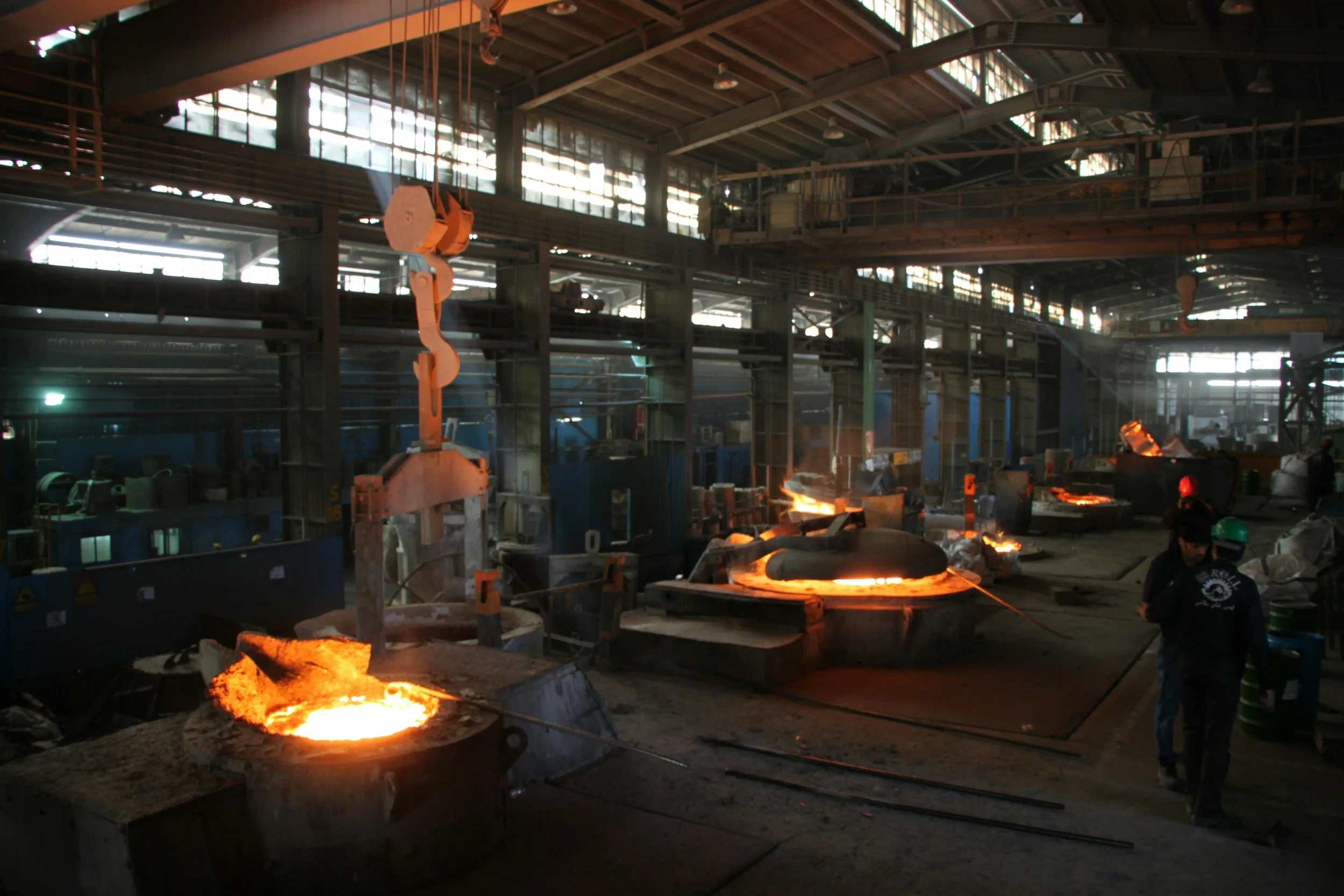
Glass manufacturing
-
![Cement production plant interior]()
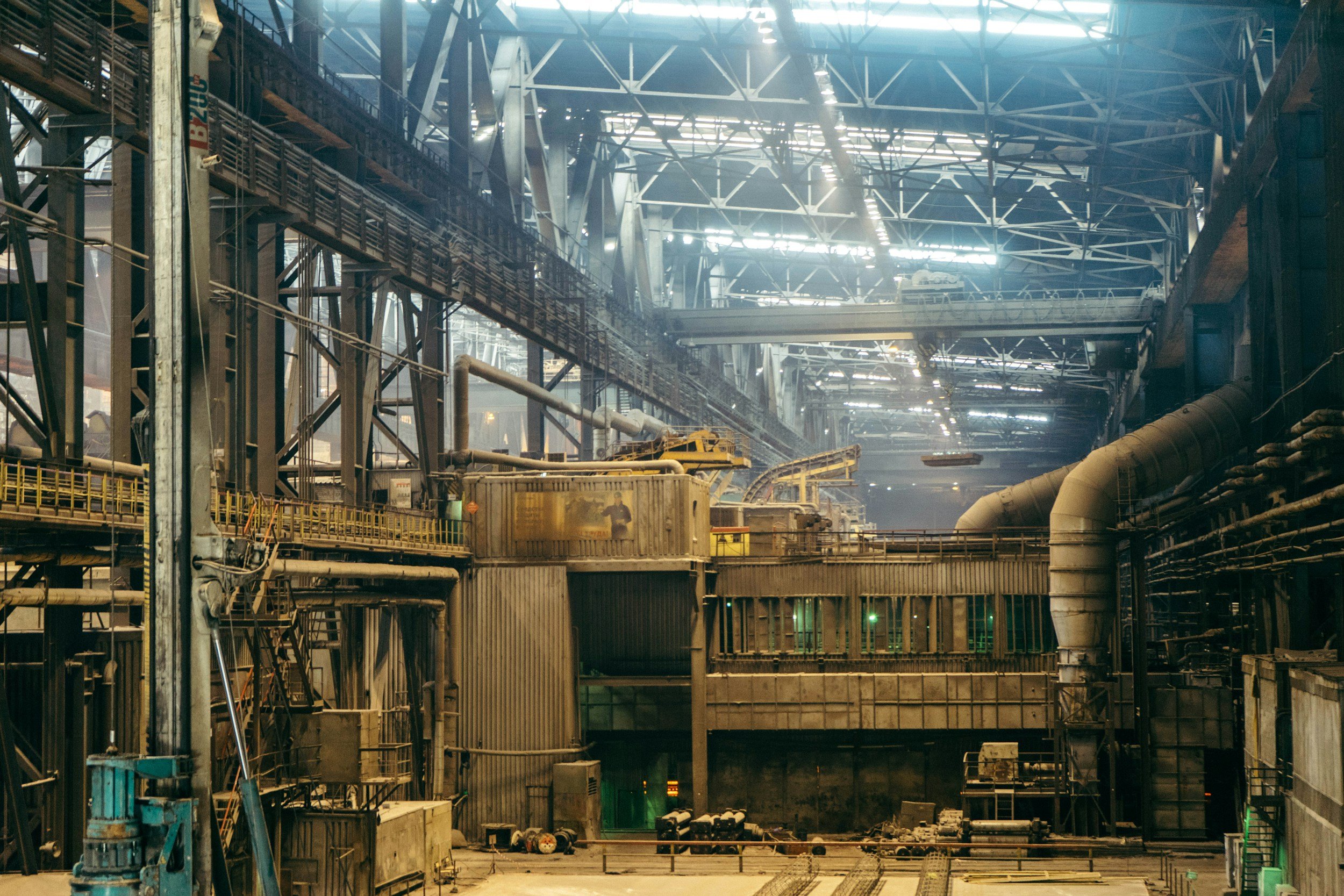
Cement production
-
![Construction equipment hydrogen]()
Construction equipment
-
![Logistics and freight transport cargo]()
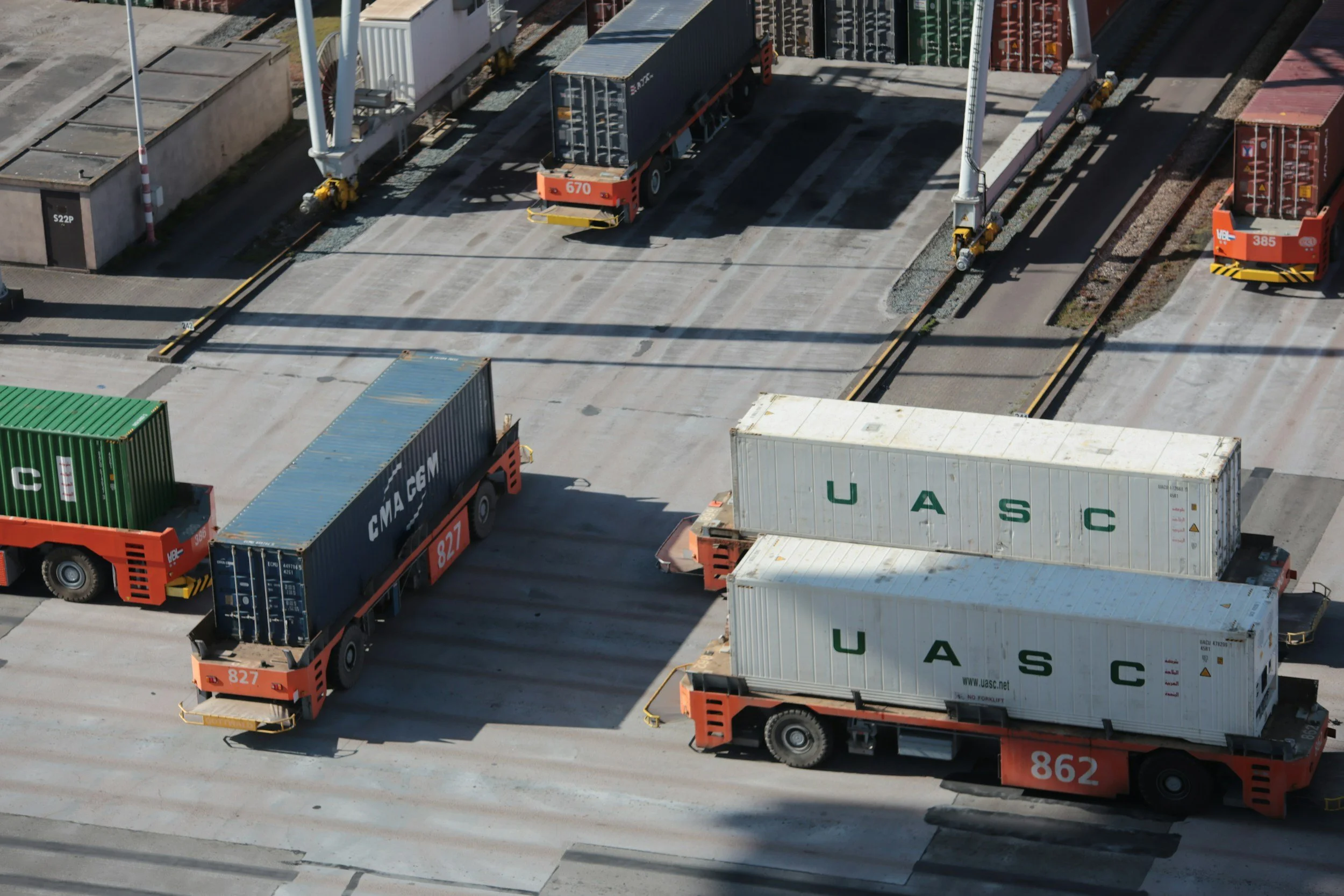
Logistics and freight

Growth pathways: Expand hydrogen value over time
Hydrogen is not just a single system upgrade; it is a strategic platform for ongoing transformation.
Modular expansion

Start at one site, then scale across additional plants, depots or clusters as demand and technology mature.

Integration with renewables
Unlock greater environmental and economic benefits by pairing future hydrogen upgrades with on-site solar, wind or industry clusters for shared infrastructure.
Supply chain decarbonisation

Expand hydrogen use from process heat and equipment to logistics and end-product mobility, positioning your business as a leader in compliant, carbon-competitive project delivery.
Industry partnerships

Easily add hydrogen fuelling and mobility to existing energy service or industry partnerships for regional or sector-wide decarbonisation.
Seamless integration: See our rapid PEM deployment roadmap
Integrating hydrogen into your operations is made simple with our step-by-step approach, outlined on the Rapid PEM Deployment page.

Explore every stage
Site assessment, project design, installation, compliance and after-sales support.

Transition smoothly
Designed for minimal downtime and maximum operational clarity, so your transition is smooth, predictable and secure.
Specifications tailored to your operation
Ready to explore hydrogen integration for your materials or construction business?
Contact Endua and we’ll be in touch to discuss your project further.
For detailed technical information, performance data and system flexibility, visit our Technical Specifications page or contact our technical team for guidance on configurations that match your site’s specific needs.
FAQs
-
Hydrogen can be introduced into high-temperature industrial processes through blending or direct combustion, depending on plant design and decarbonisation goals. In glass and cement production, hydrogen can partially or fully replace fossil fuels used for process heat, helping reduce combustion-related emissions.
Integration typically begins with a technical assessment of burner systems, fuel delivery infrastructure and heat requirements. Hydrogen systems can be staged to allow gradual transition, supporting emissions reduction targets while maintaining production stability and product quality.
In glass manufacturing, hydrogen is also used in the manufacturing process of float glass. In this application, the hydrogen is used as a technical gas to create an oxygen-free environment. This environment is essential to prevent the oxidation of the molten tin bath upon which the glass floats, ensuring high-quality, defect-free glass.
-
Yes. Hydrogen-powered equipment and generators operate with significantly lower emissions and reduced noise compared to diesel alternatives. This makes them well suited to urban construction zones where air quality regulations, council approvals, and community expectations are increasingly stringent.
Hydrogen solutions can power telehandlers, lighting towers, excavators, temporary site offices, and auxiliary generators without the exhaust fumes or high decibel output associated with diesel gensets. This supports safer work environments, smoother project approvals and improved stakeholder relations in environmentally sensitive locations.
-
Hydrogen can support both direct (Scope 1) and value chain (Scope 3) emissions strategies. Replacing fossil fuels in process heat, equipment and site power reduces operational emissions. Extending hydrogen into logistics and freight helps lower emissions associated with material transport and project delivery.
For companies supplying major infrastructure or commercial developments, demonstrating low-carbon energy use can strengthen contract competitiveness and support reporting obligations. Hydrogen integration also aligns with broader decarbonisation commitments increasingly required by investors, developers and government clients.
-
Infrastructure requirements can depend on the application, scale and existing energy systems. Typical components include hydrogen production, storage and fuel delivery systems, along with any required modifications to burners, generators or mobile equipment.
A phased approach allows hydrogen systems to operate alongside existing fuel sources during transition. Site assessments consider layout, safety compliance, energy demand and grid or renewable integration. With proper planning, integration can be achieved with minimal disruption to ongoing construction or manufacturing activities.
-
Large construction projects often rely on stable fuel supply for manufacturing, transport, and site operations. Disruptions in diesel availability or price volatility can affect timelines and cost certainty.
On-site hydrogen production reduces reliance on transported fossil fuels and external suppliers. Generating energy locally strengthens planning confidence and protects against supply interruptions. For multi-year infrastructure projects, this can improve cost predictability and reduce exposure to external energy market fluctuations.
-
Yes. Hydrogen systems are modular and can be deployed at a single plant, temporary construction site, or logistics hub, then expanded or replicated across additional locations as demand grows.
This flexibility allows businesses to pilot hydrogen at one facility before rolling it out across a broader portfolio. As technology adoption increases and renewable integration expands, systems can evolve to support new plants, mobile project sites and regional industry clusters.
Resources
Download our free resources with expert advice, guidance and strategies for your hydrogen project.

7-Step guide to transition to hydrogen vehicles
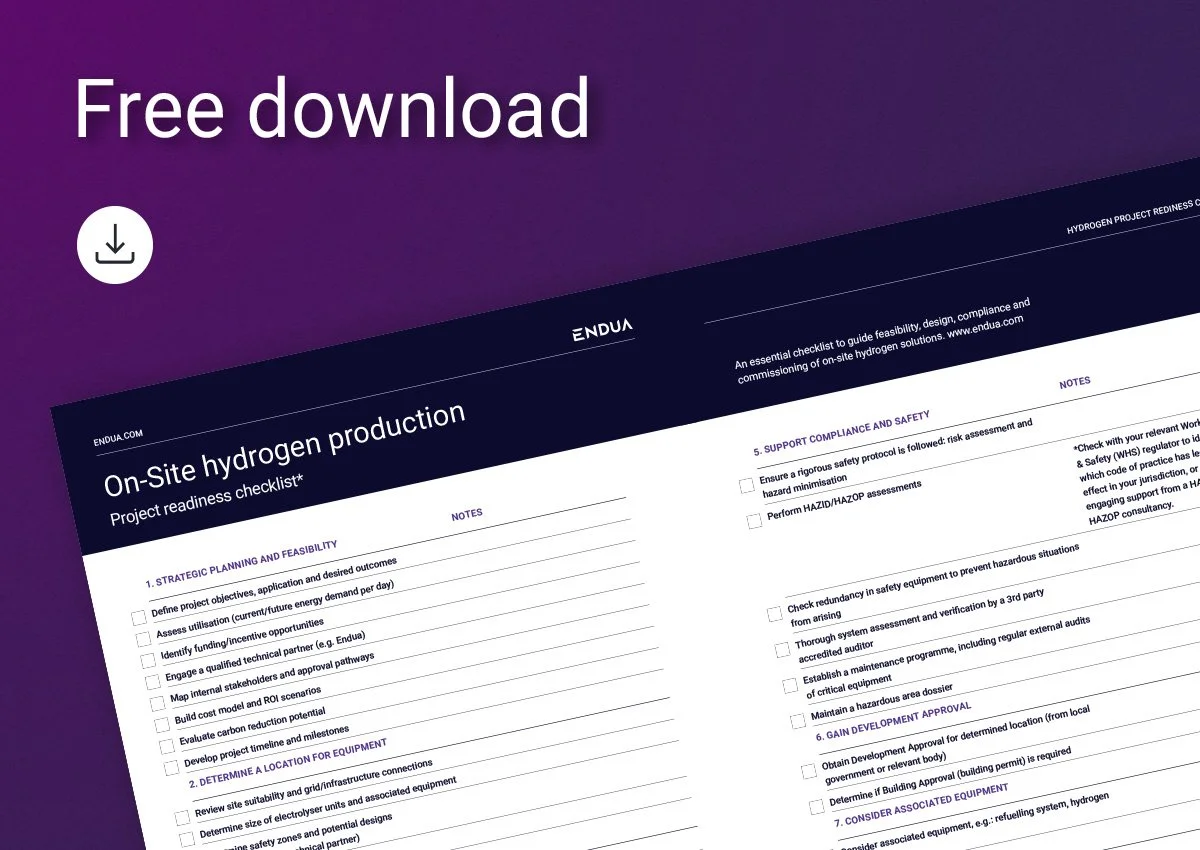
On-site hydrogen production checklist